
Designing a User Flow in an E-Commerce Environment

Overview
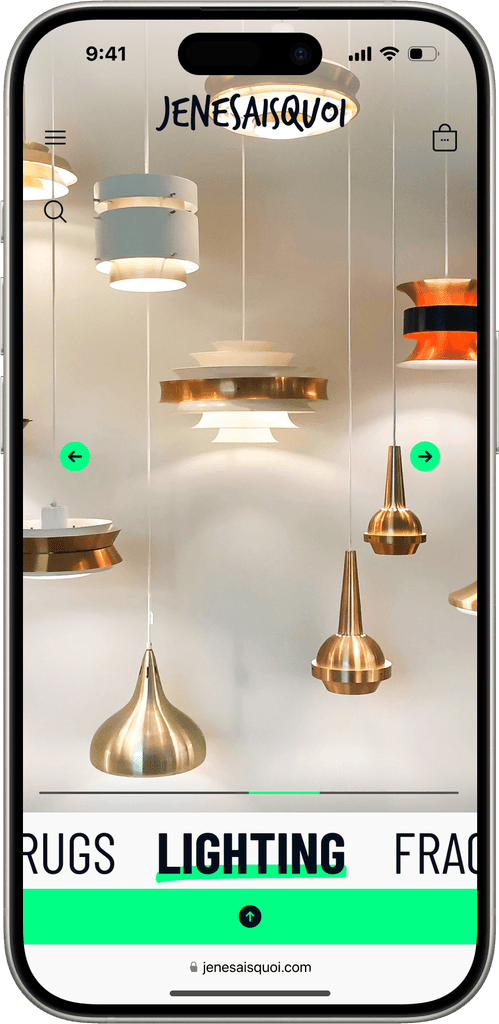
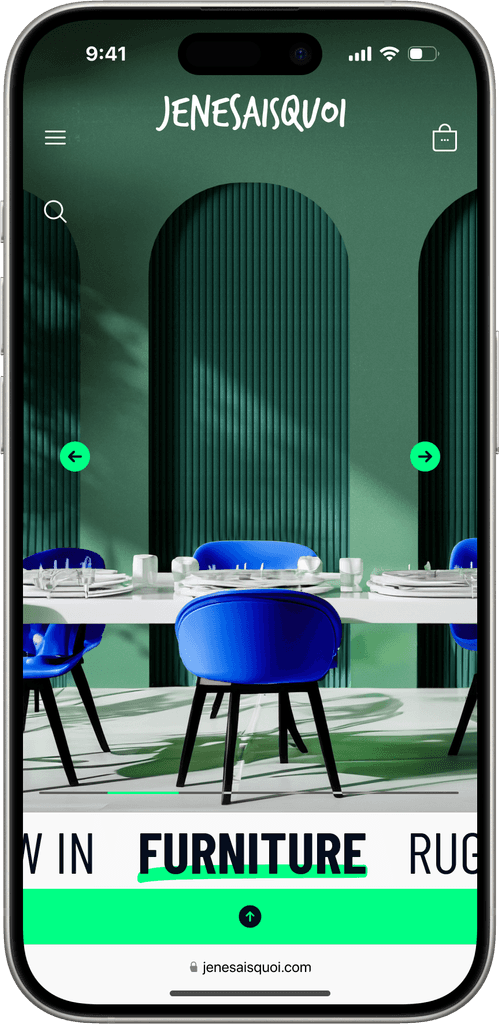
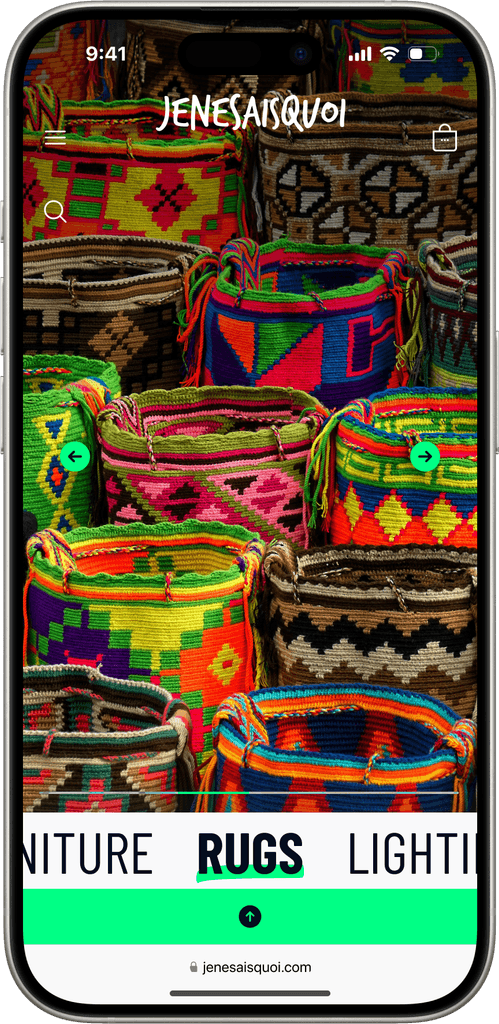
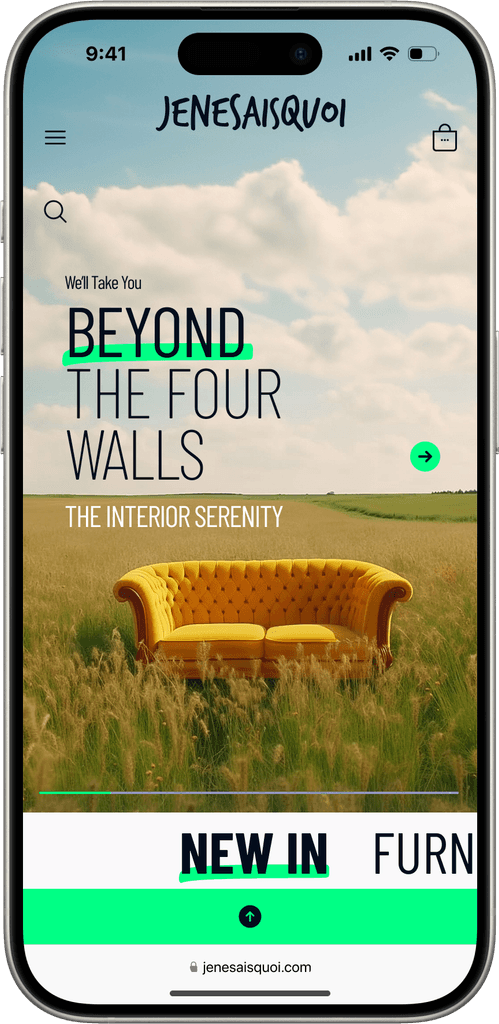
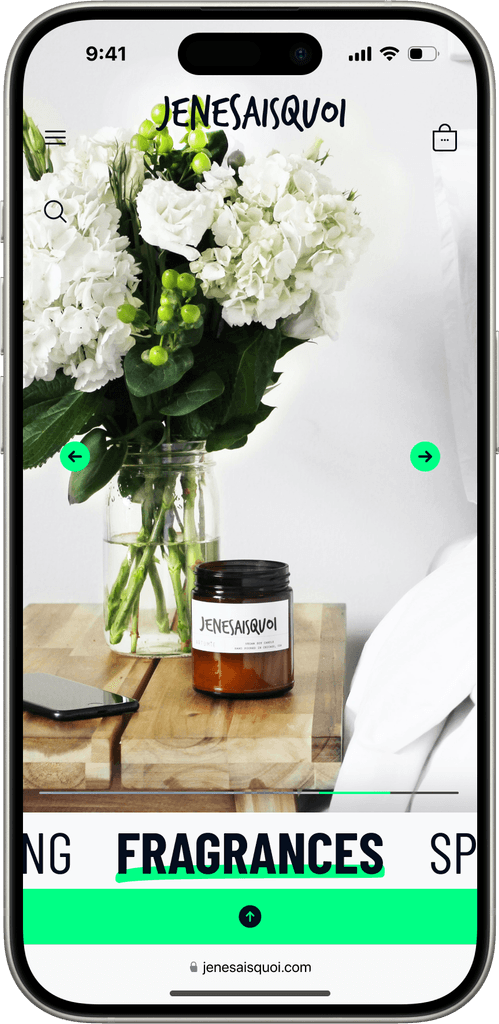
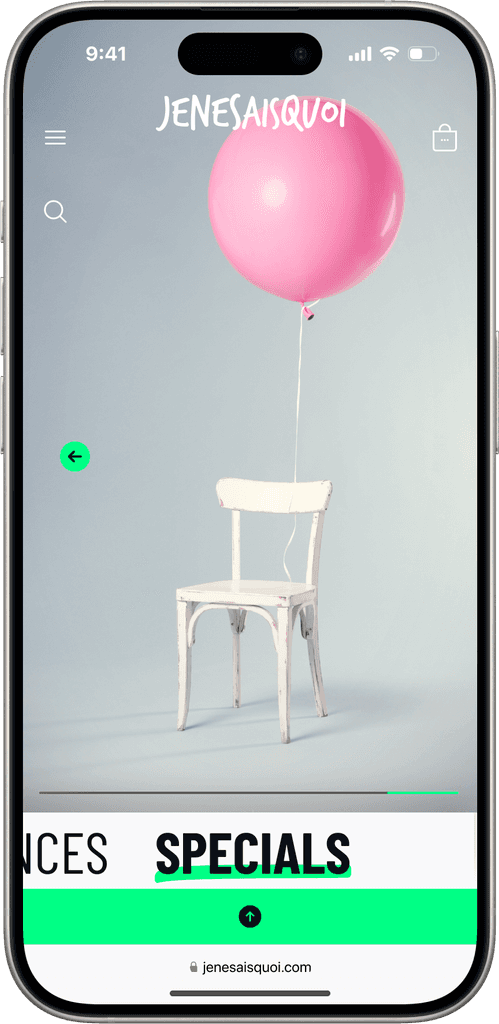
Jenesaisquoi is a conceptual e-commerce brand. This project focused on creating an interactive prototype, built with a design system, specifically tailored to enhance the user experience based on a user story.
Product Focus
Given my previous professional background in the rug industry, it was natural for me to choose rugs as the central product category for this e-commerce setting.
Original User story
As an online shopper, I want to be able to navigate an e-commerce website easily, search for products, and view their details so that I can make informed (and optionally sustainable) purchasing decisions.
In addition, I want the website or web app to have an interactive and engaging user experience that includes gamification to incentivise me to engage with the platform.

Audience
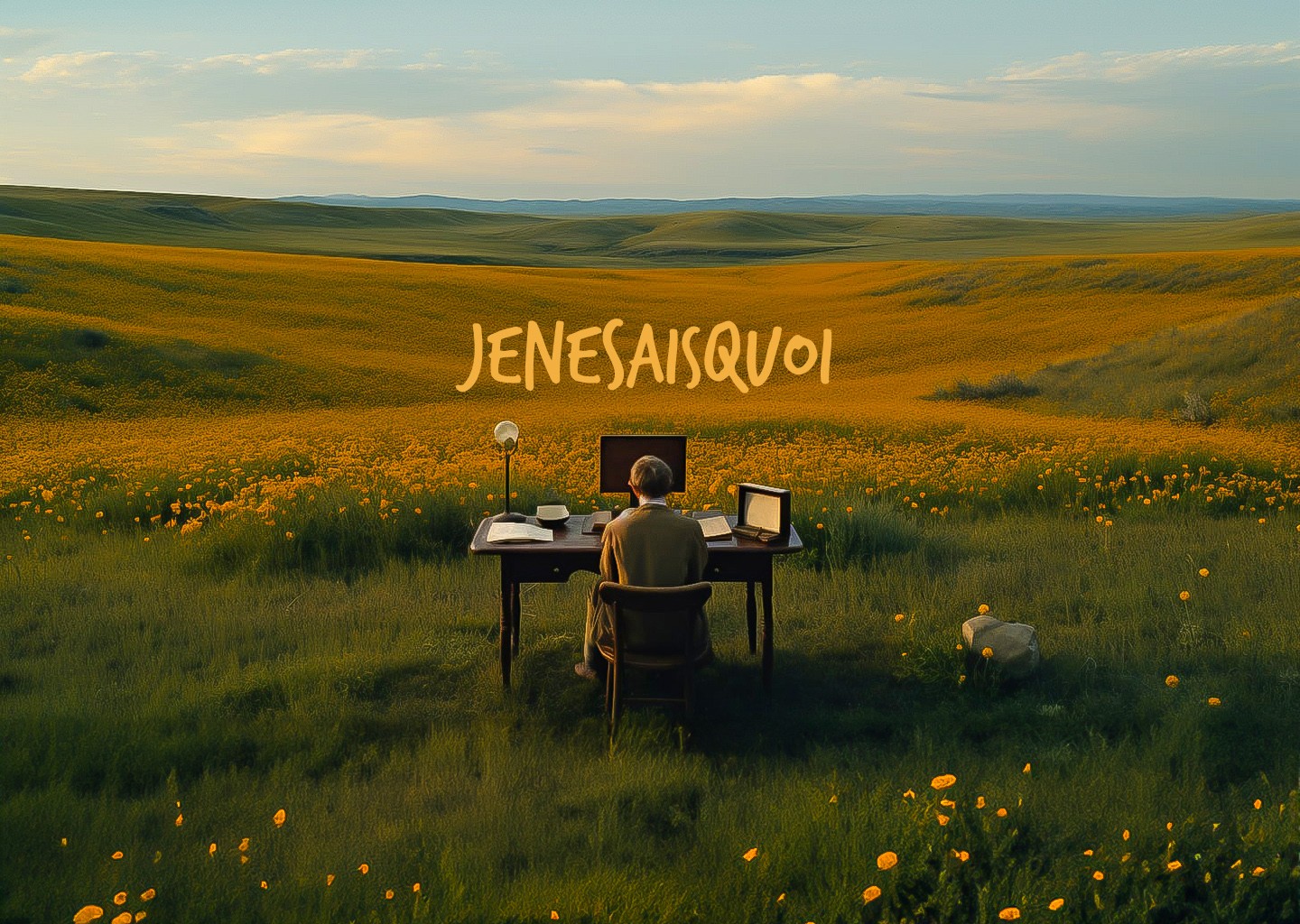
In this project, I embraced creative freedom to define my audience. I crafted a user persona that merges imaginative insights with real-world user scenarios, to help me learn how to inform and guide my design decisions.


Defining the Needs
I defined key user needs and how they would shape the website's design and overall experience:
Smart and Easy Navigation: As the backbone of user experience on Jenesaisquoi.
Efficient Product Search: A user-friendly search bar and well-organised content categories.
Informed Decision Making: Each product needed a detailed yet concise description. The layout for product galleries and individual product pages should be crafted with attention to typographical and visual hierarchy.
Creating My Brand
Even though it was only a conceptual brand, I approached the creation of Jenesaisquoi with great passion and thoughtfulness.

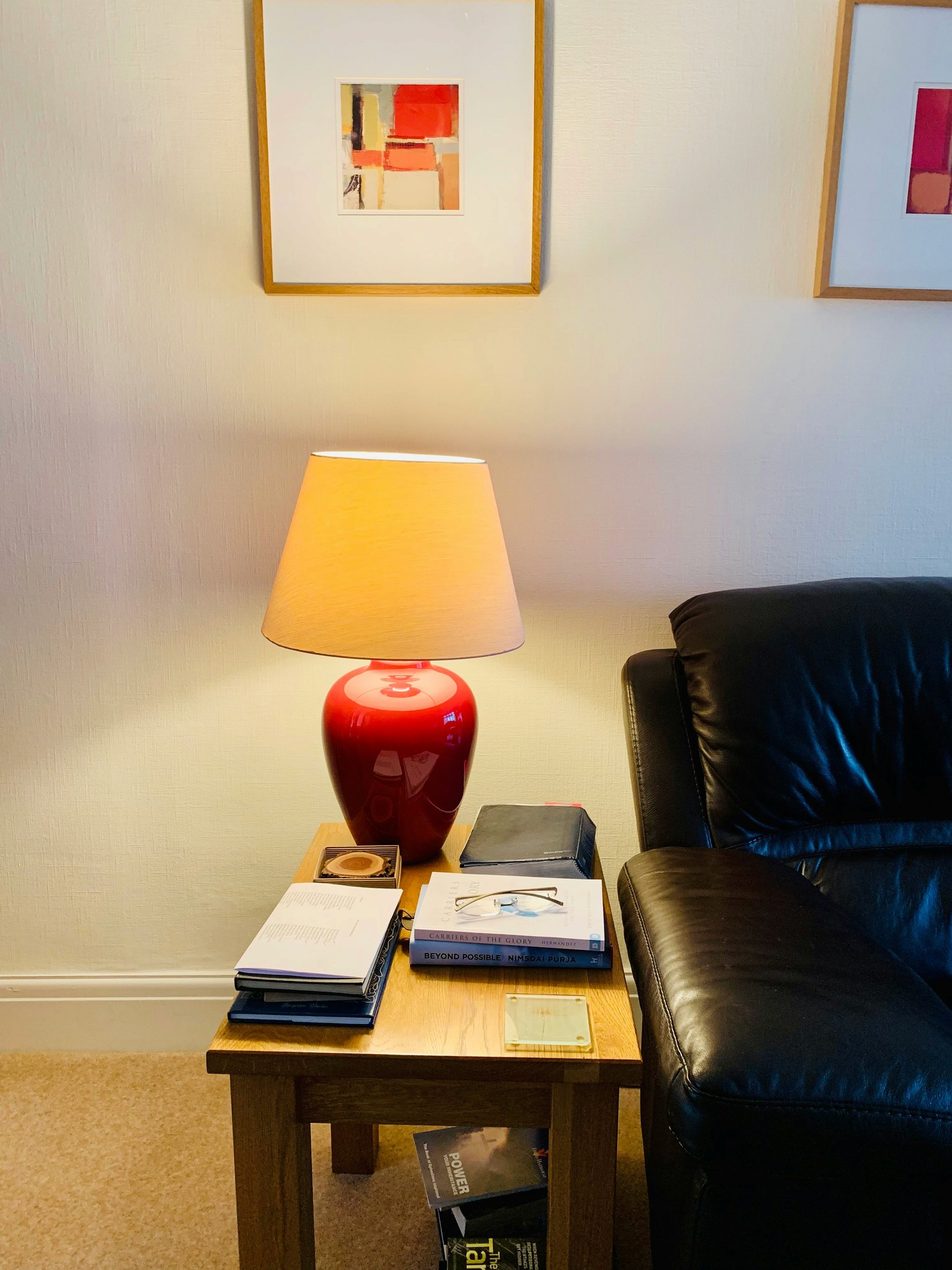
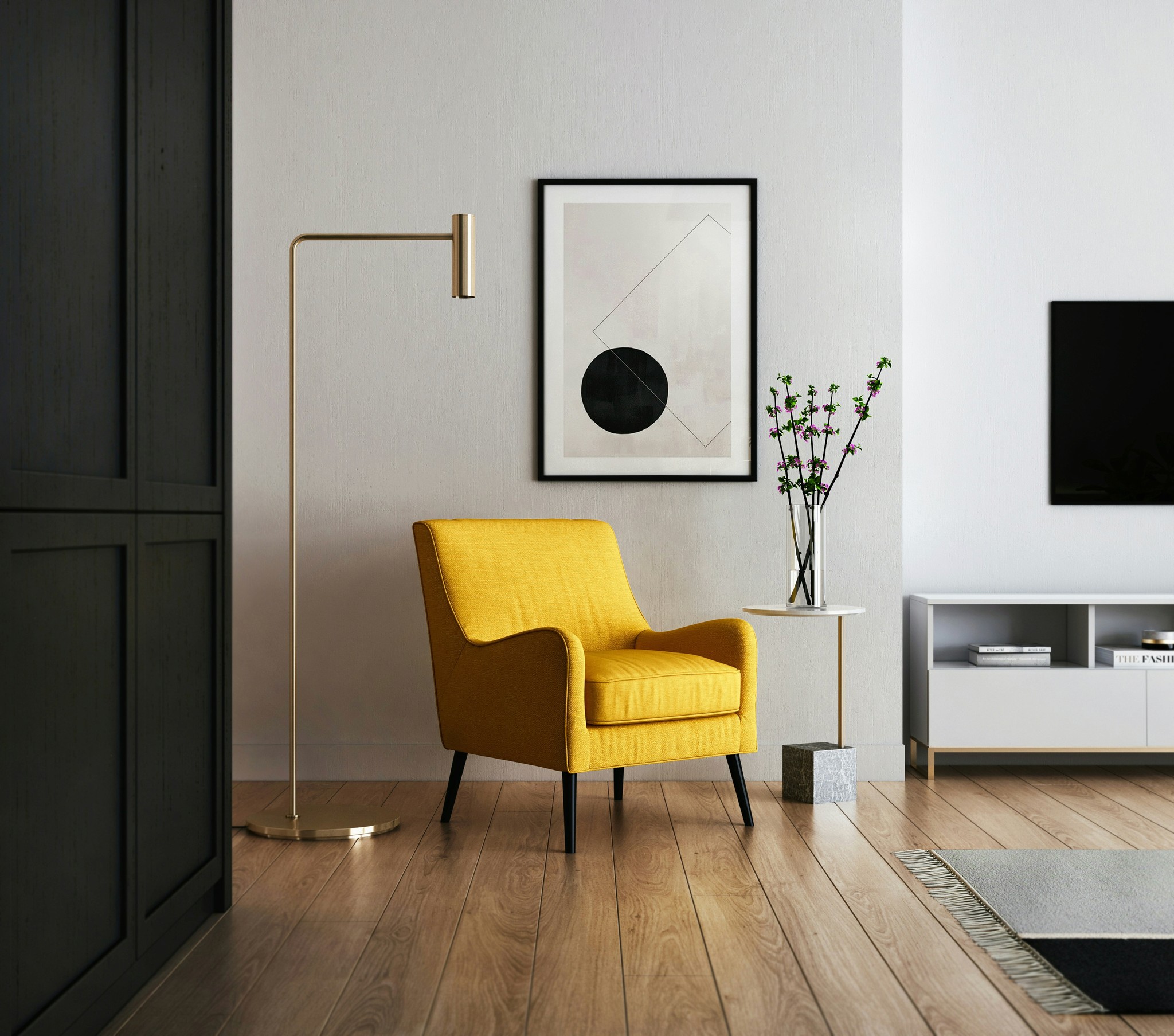
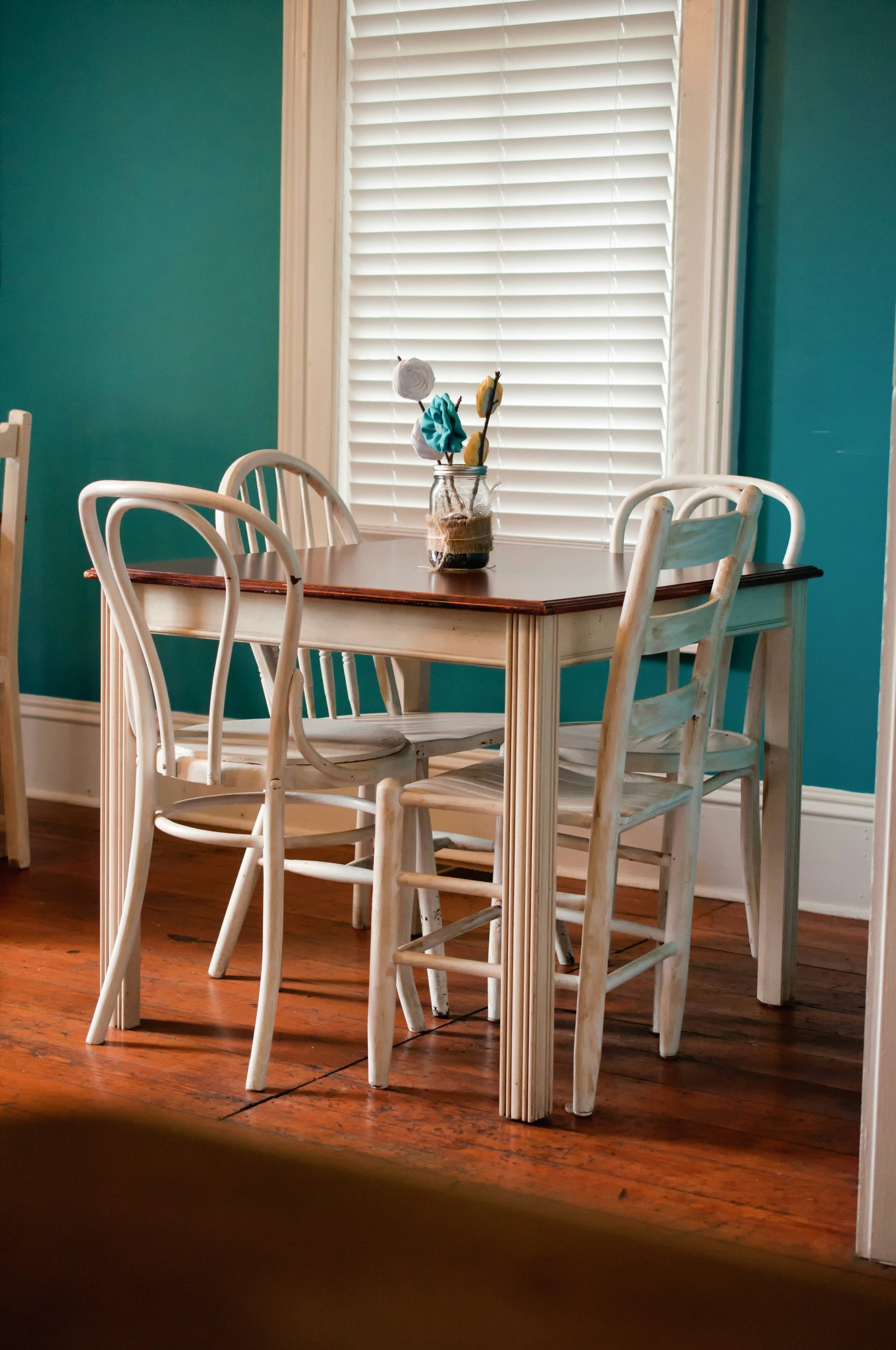
Aesthetic Homeware
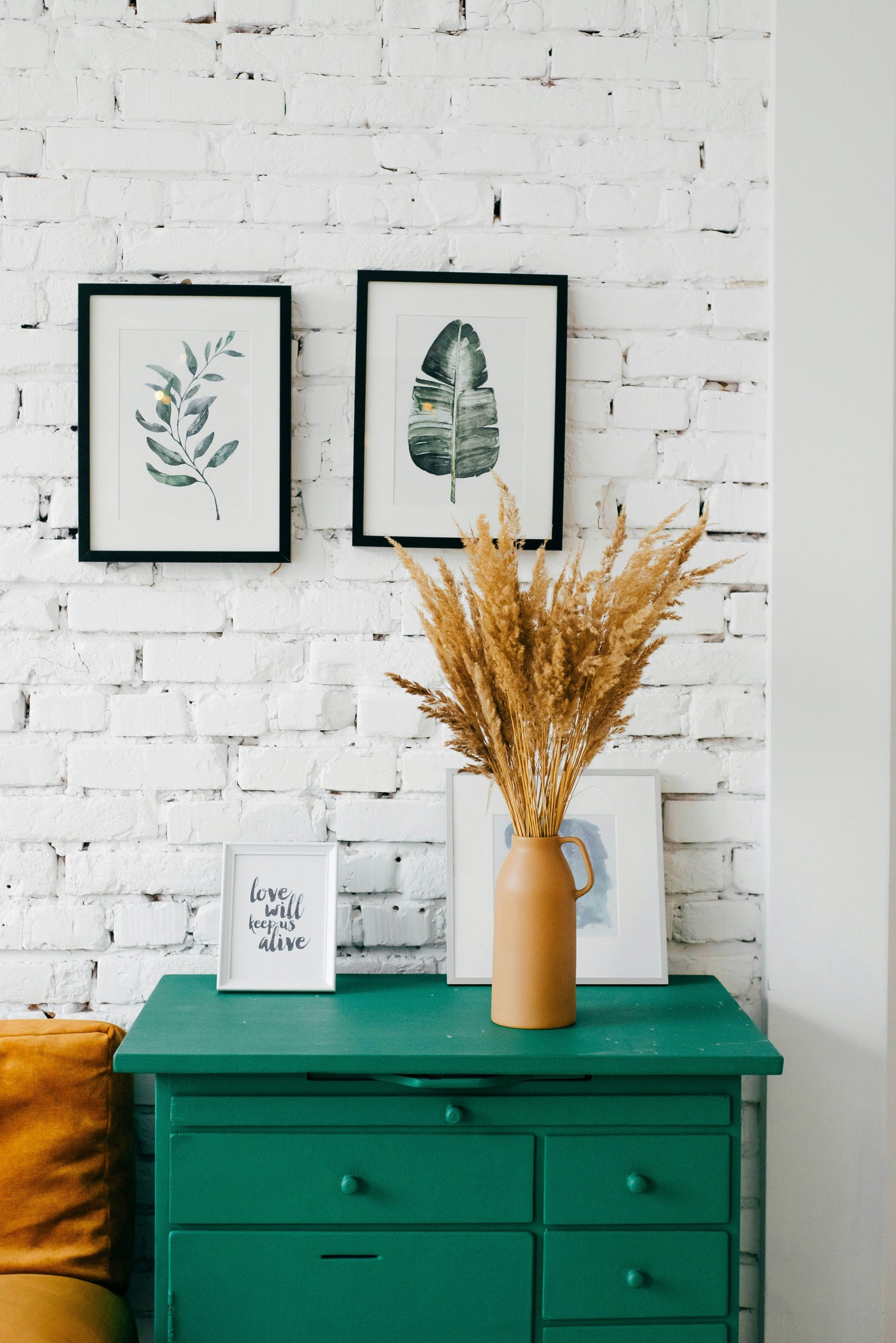
Jenesaisquoi was envisioned as an online platform offering a carefully curated selection of interior design objects and a line of home fragrances.
Simple, Emotional, Sustainable.
These were the pillars of my design principles. I aimed to create something that wasn’t just visually pleasing but also intuitive and responsible.
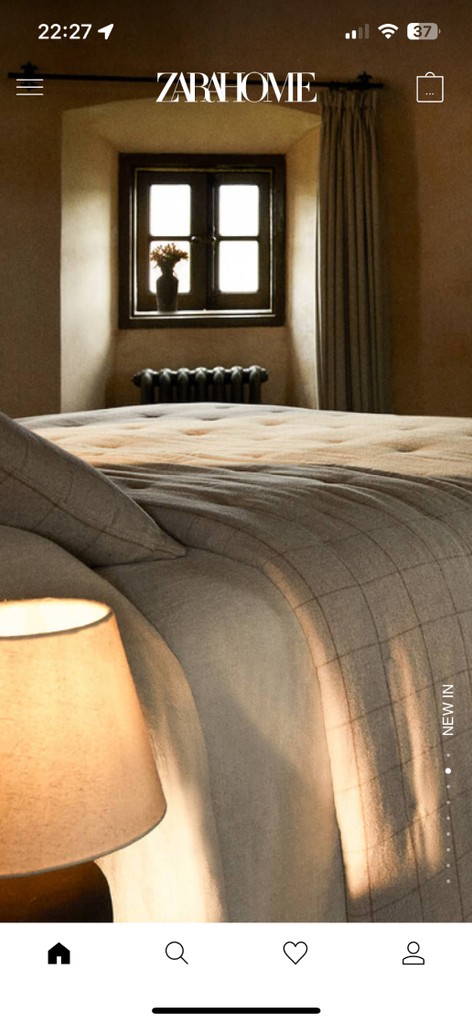
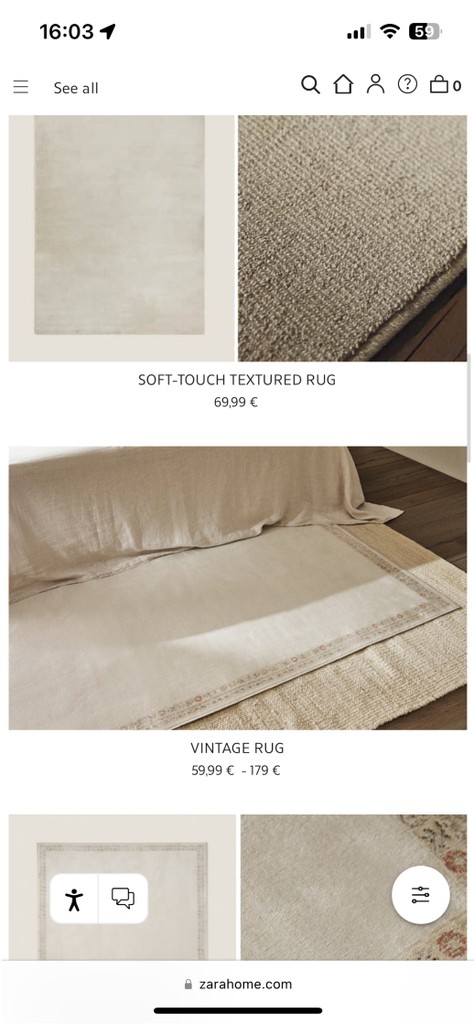
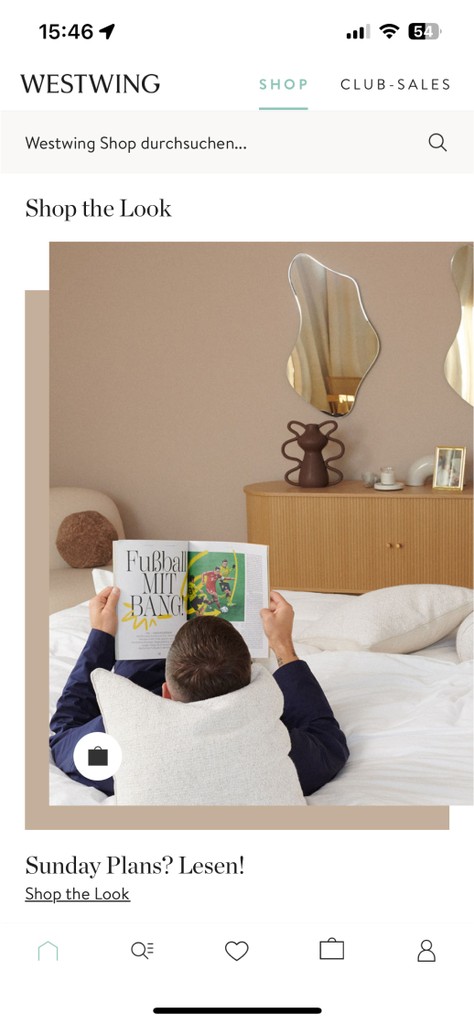
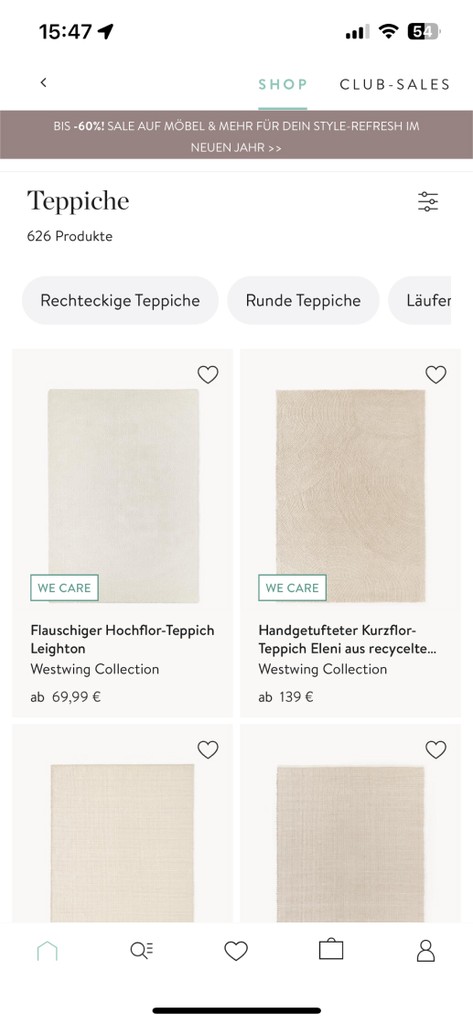
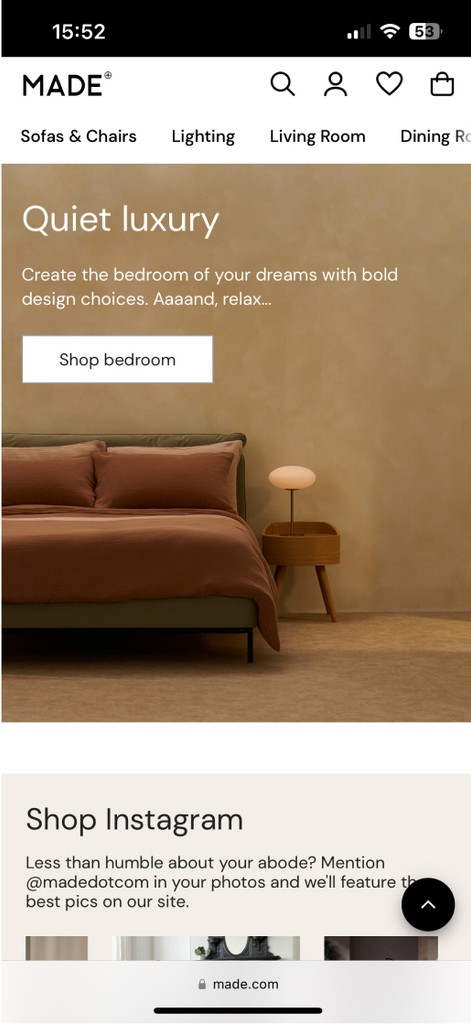
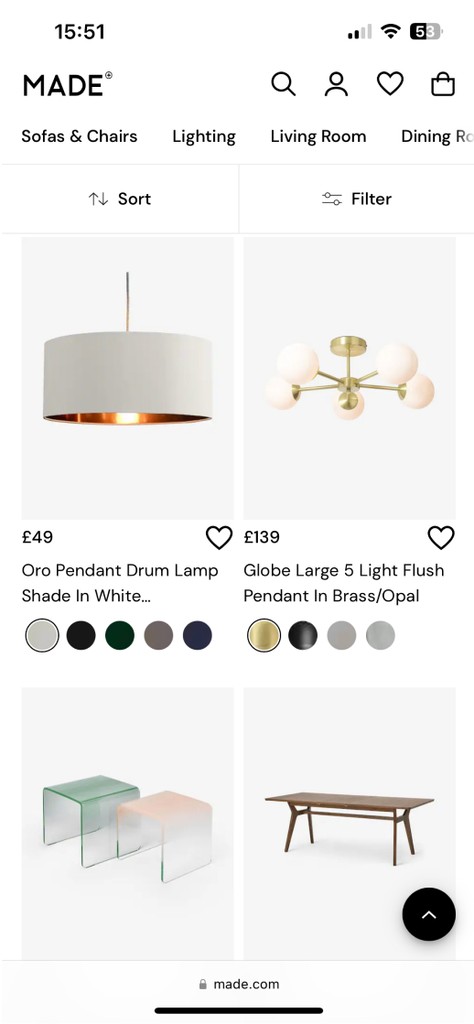
Competitors such as MADE, Westwing, and ZaraHOME offer user experiences that resonate with my potential audience and served as key sources of inspiration in my design journey.
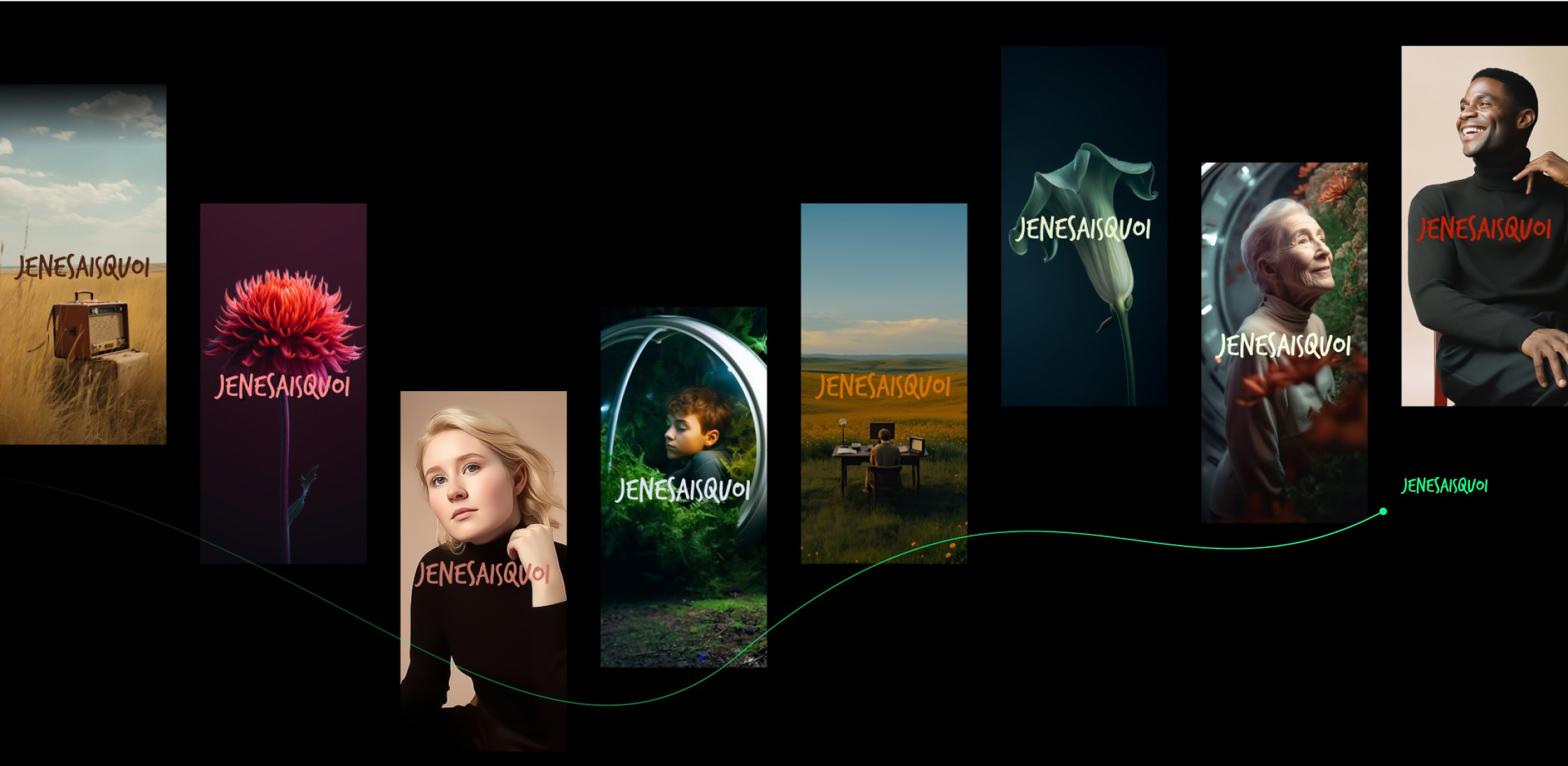
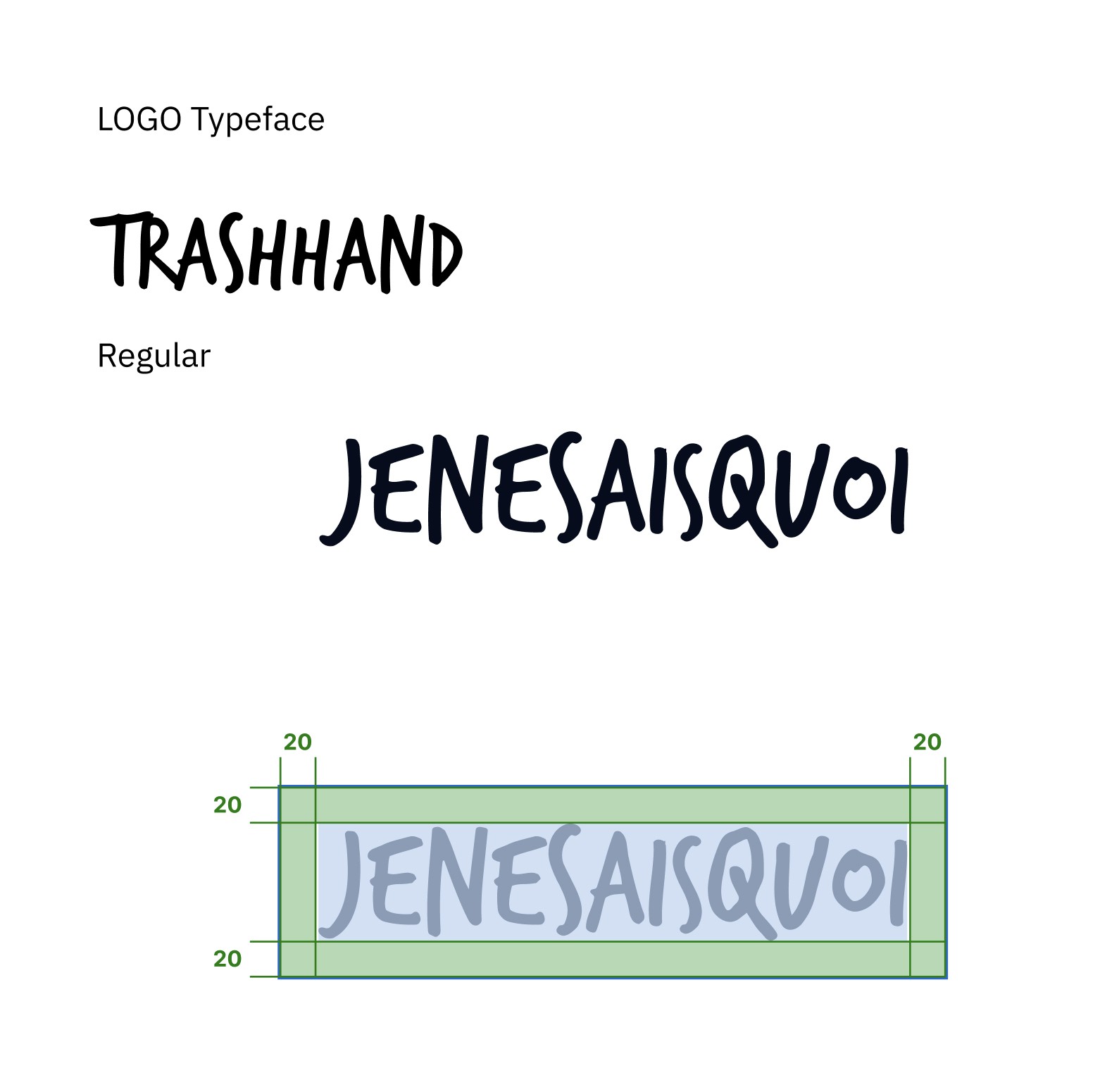
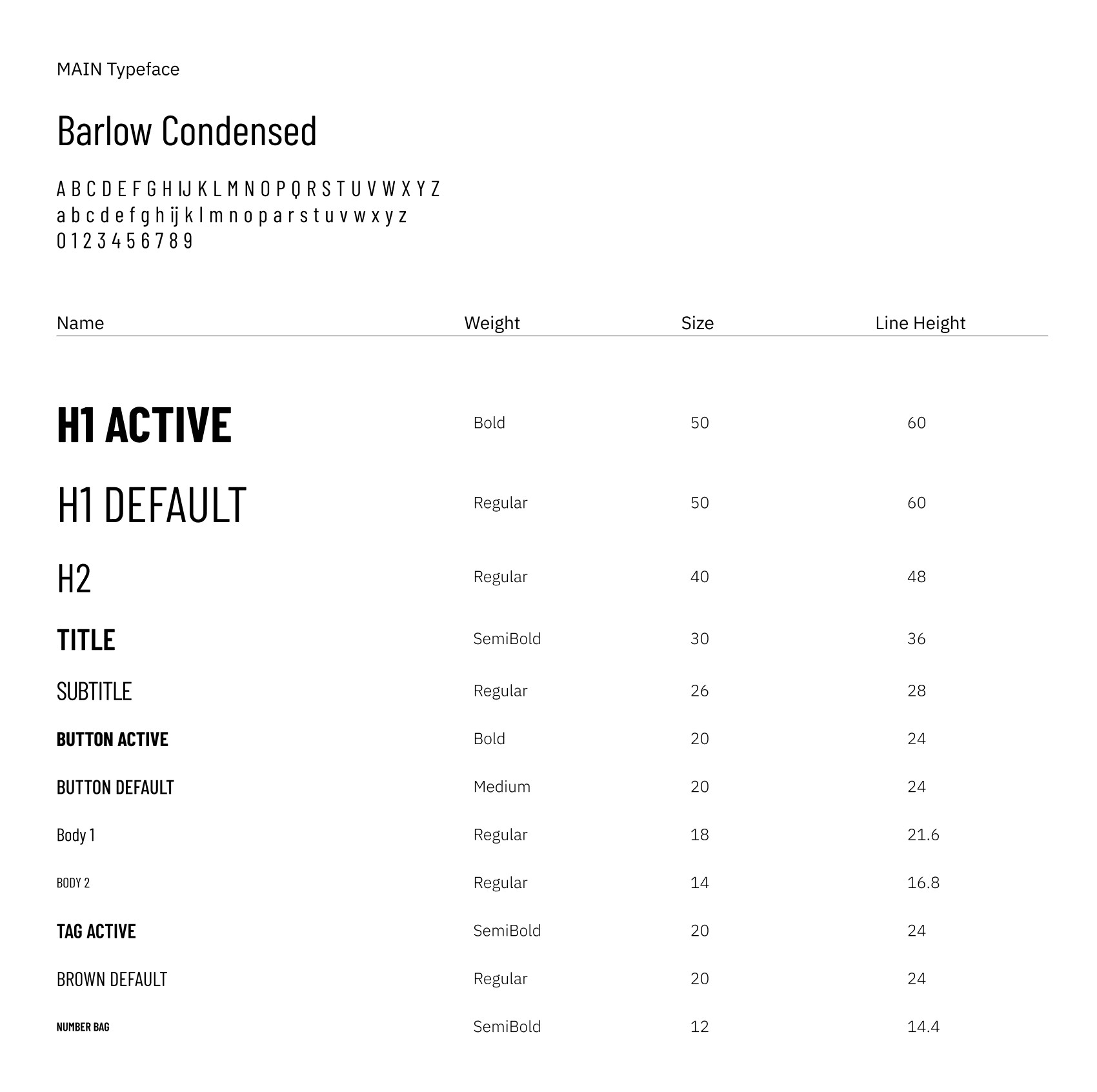
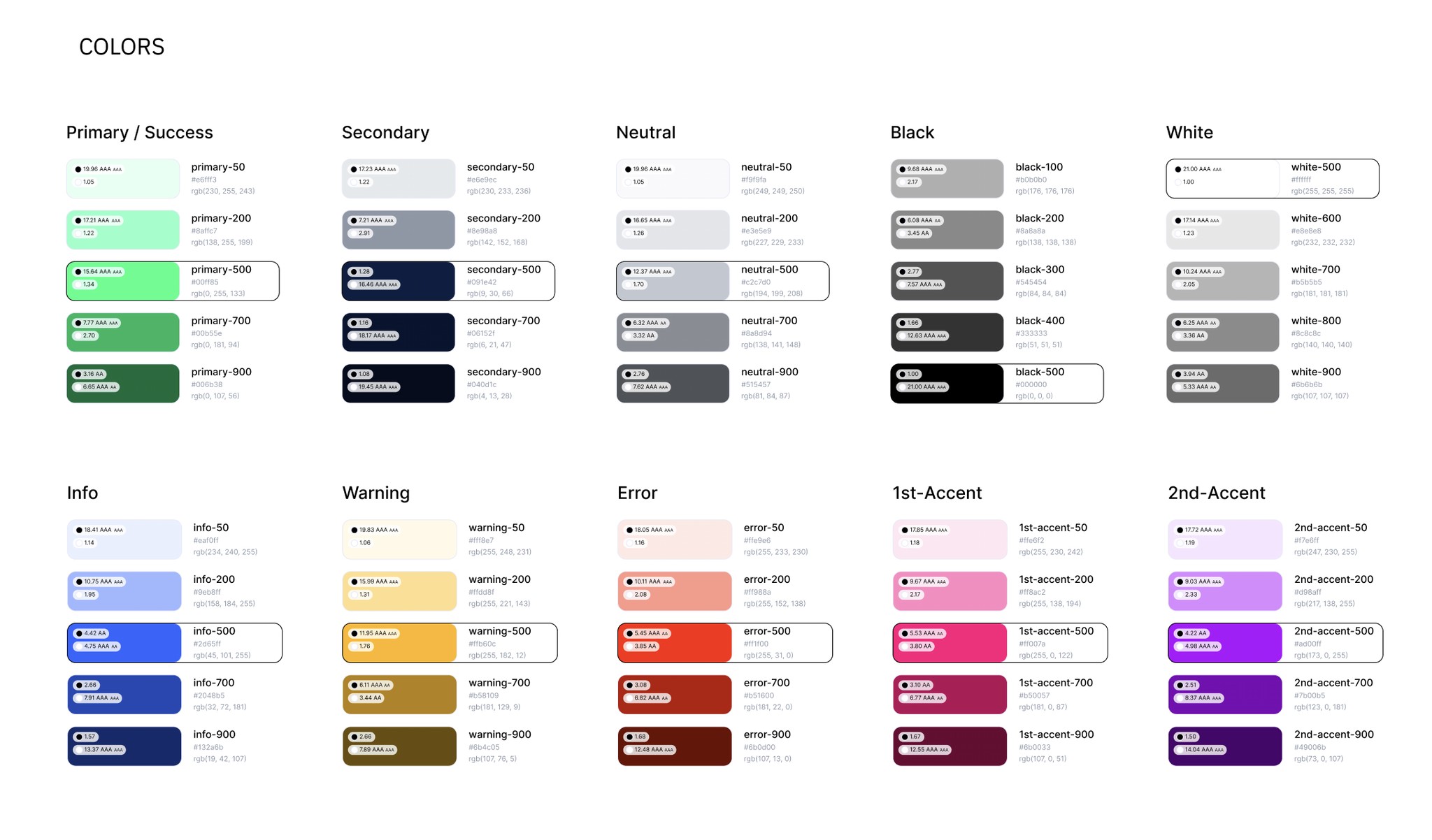
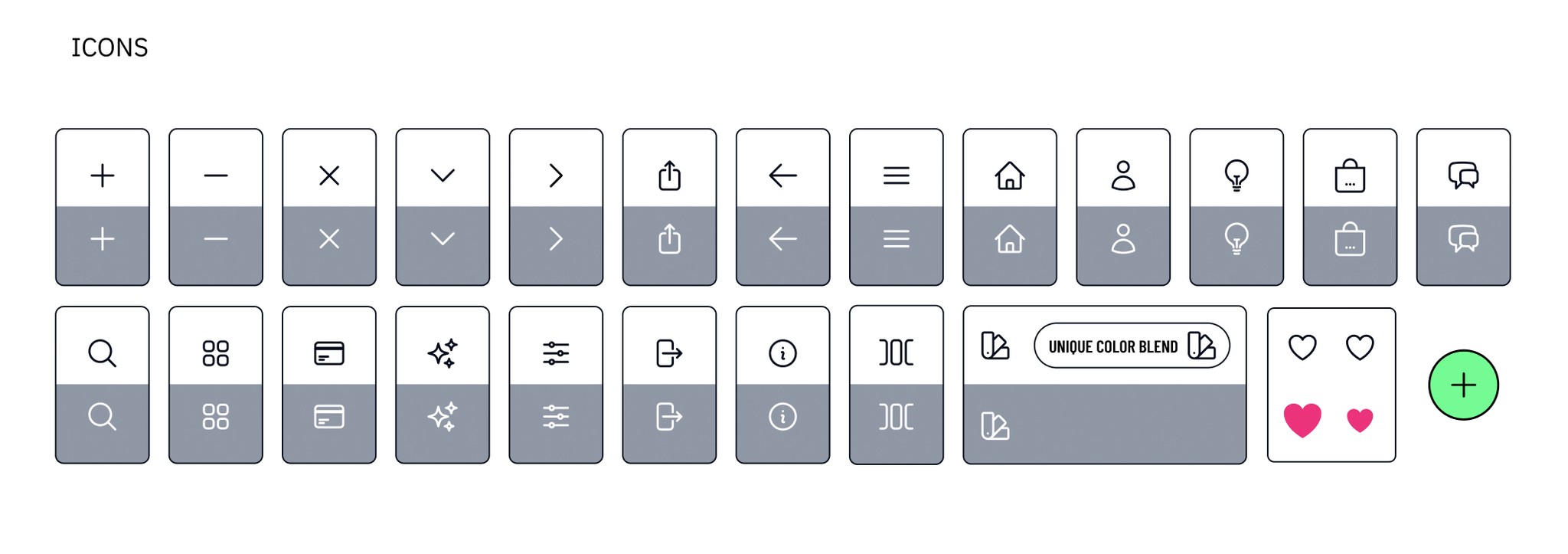
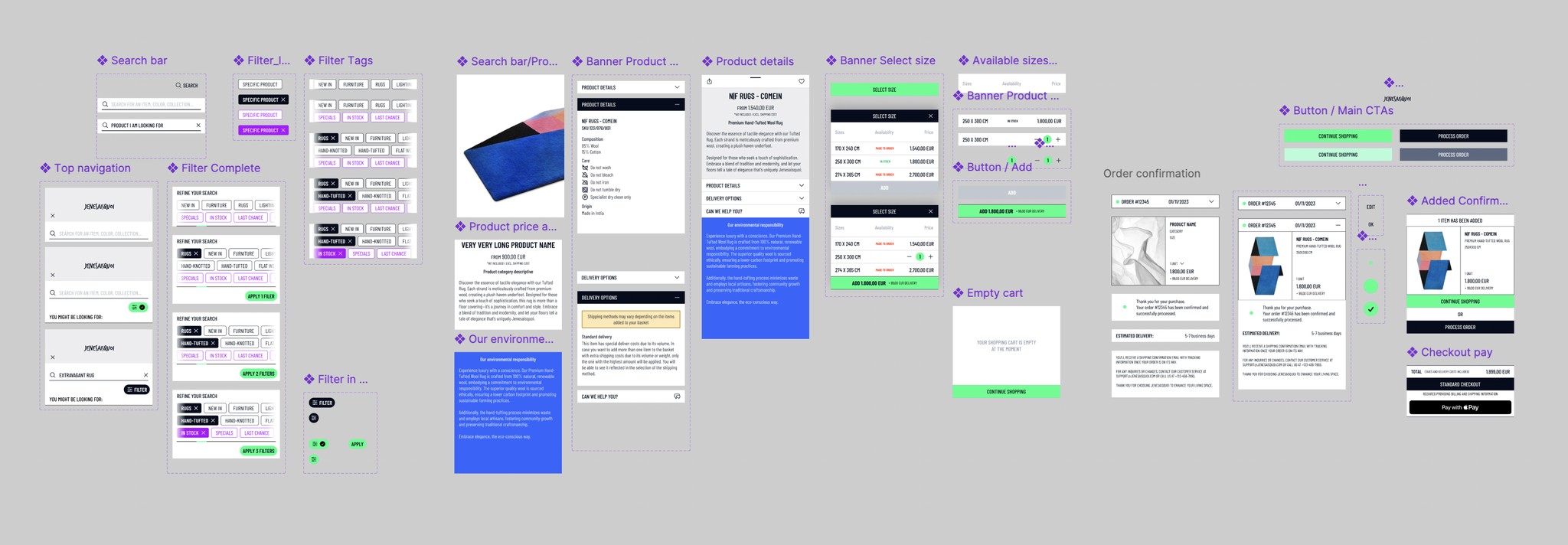
Style Guide




Crafting the layout
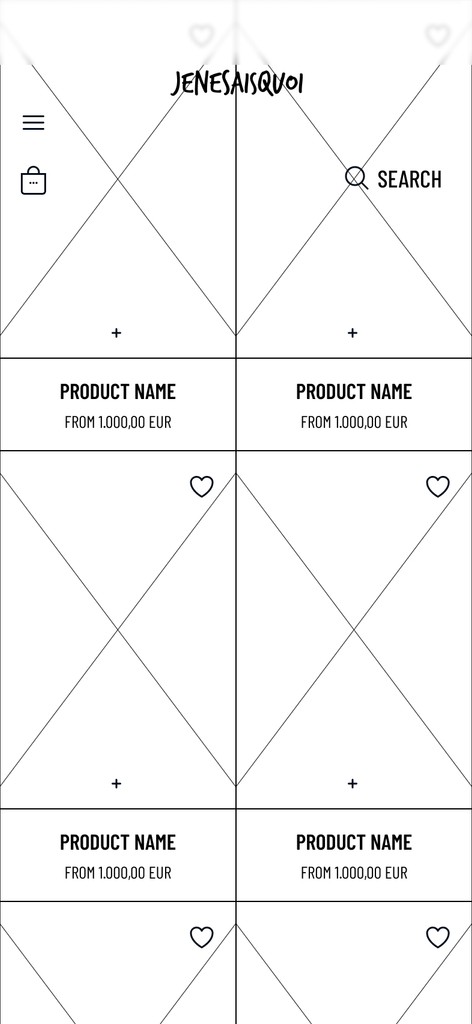
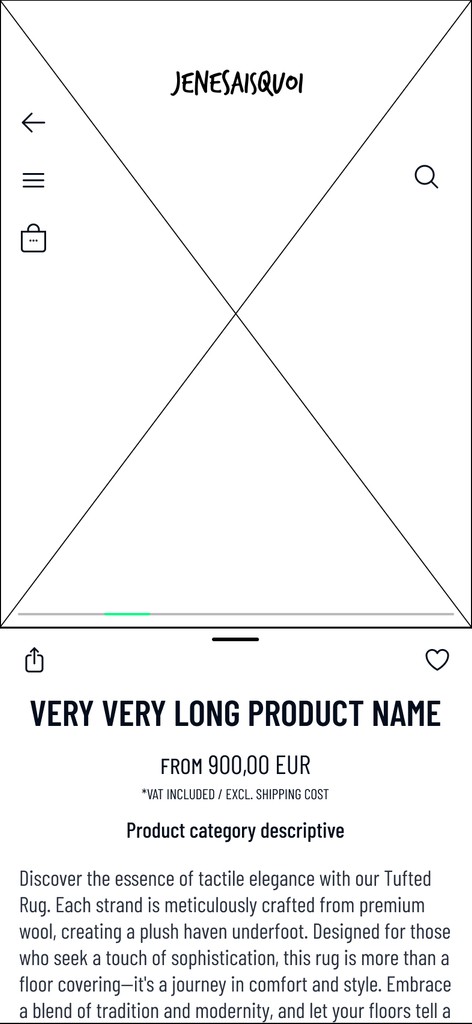
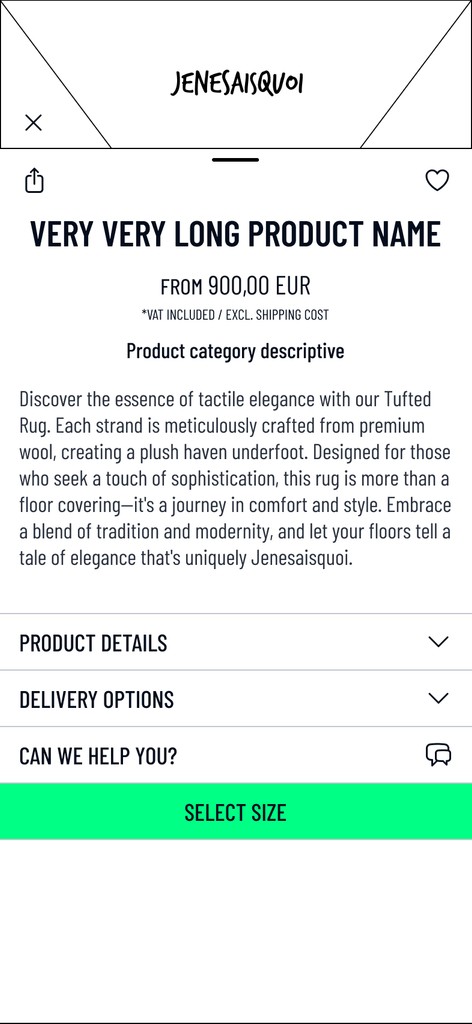
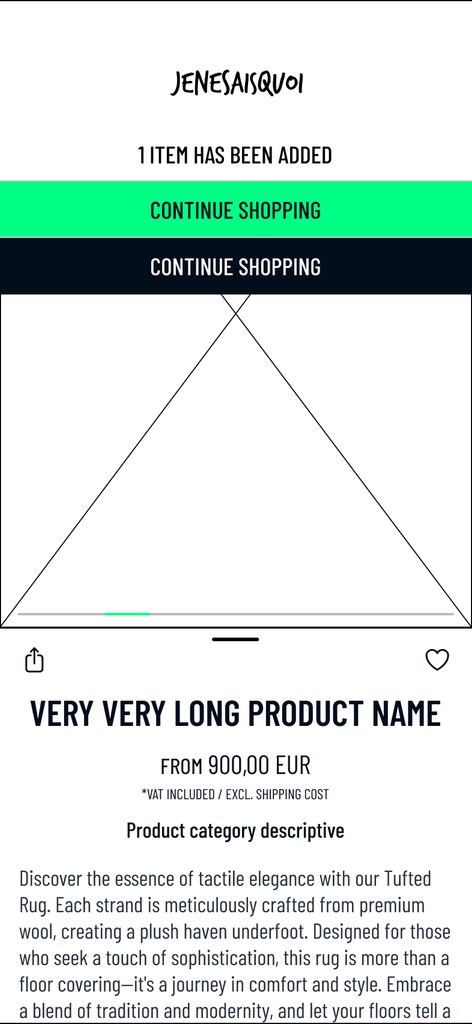
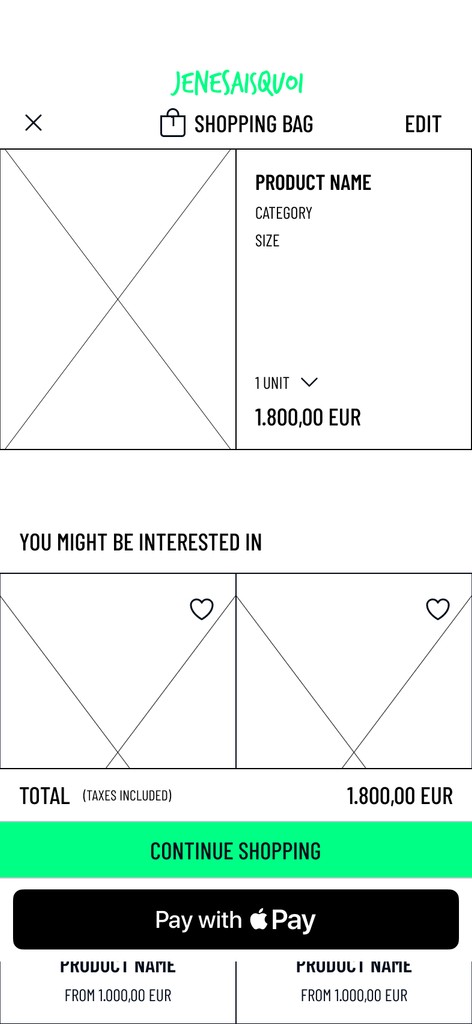
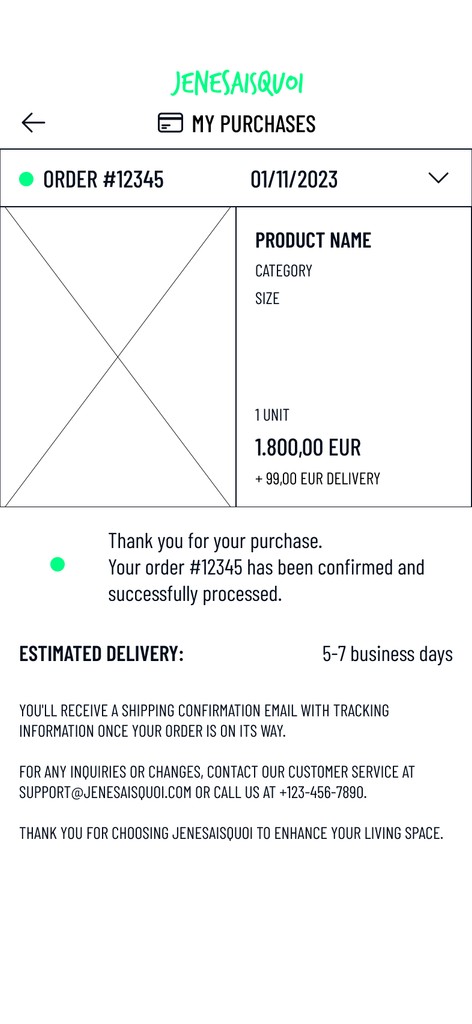
This was where my ideas began to take a tangible form. Crafting the visual layout of the e-commerce platform, focusing on product pages, navigation, and the overall aesthetic.
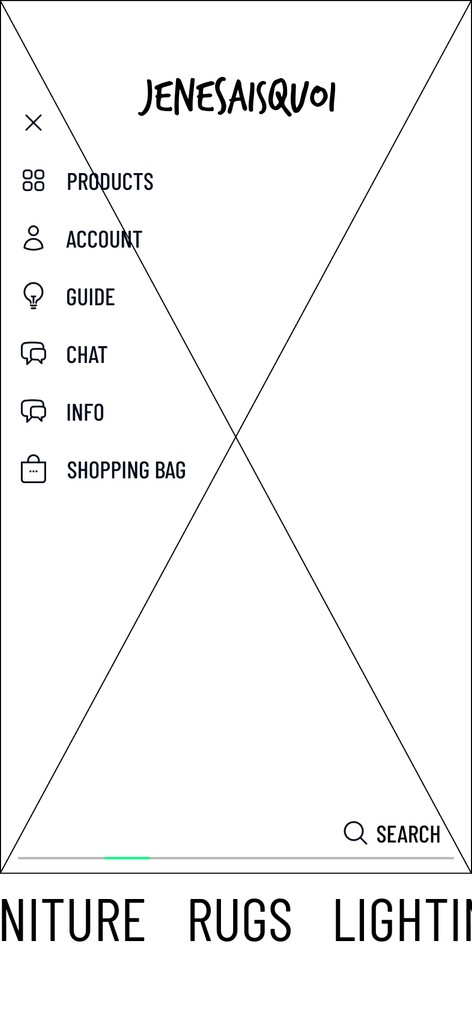
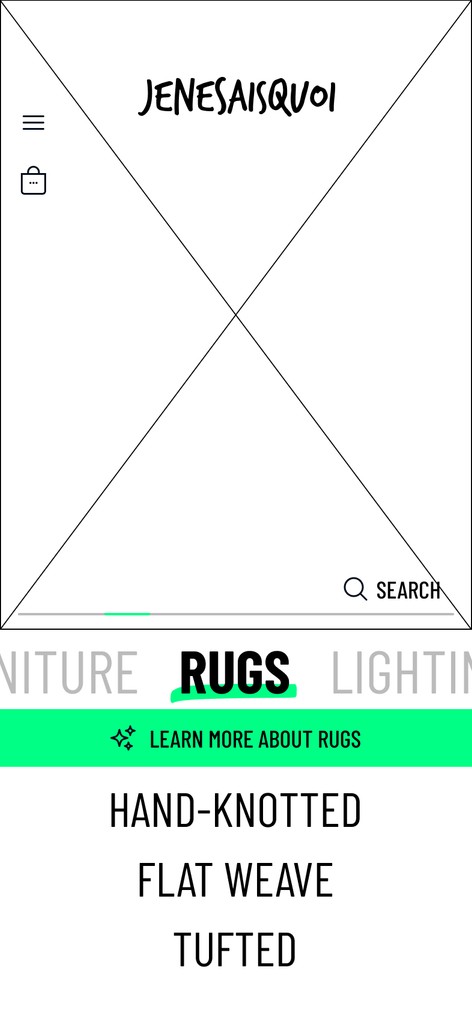
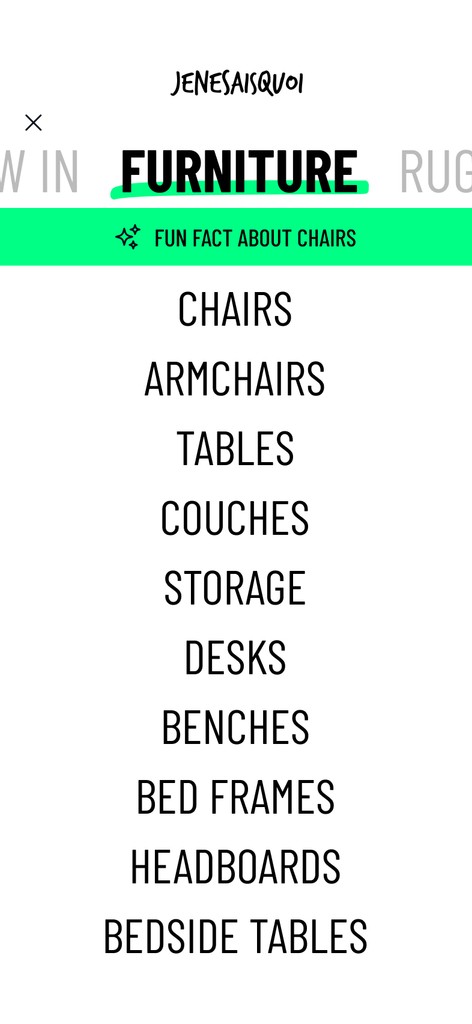
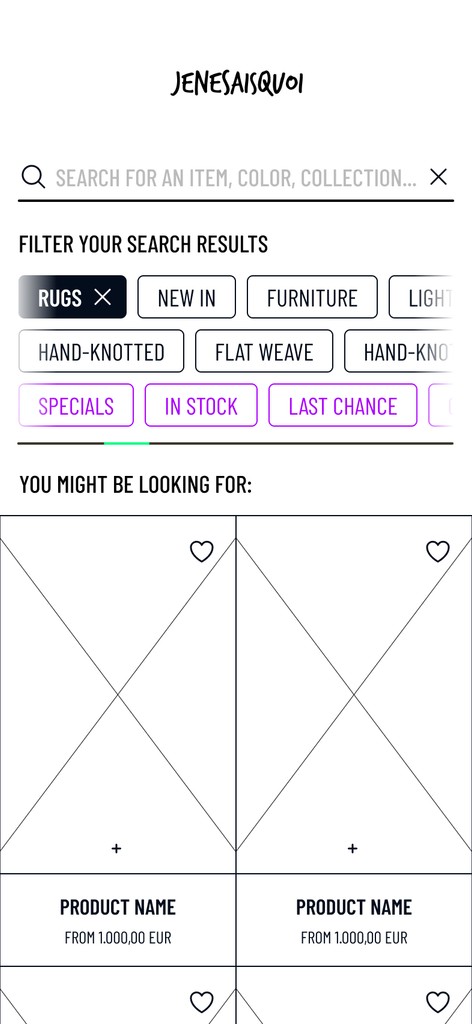
Prototyping the Main Navigation
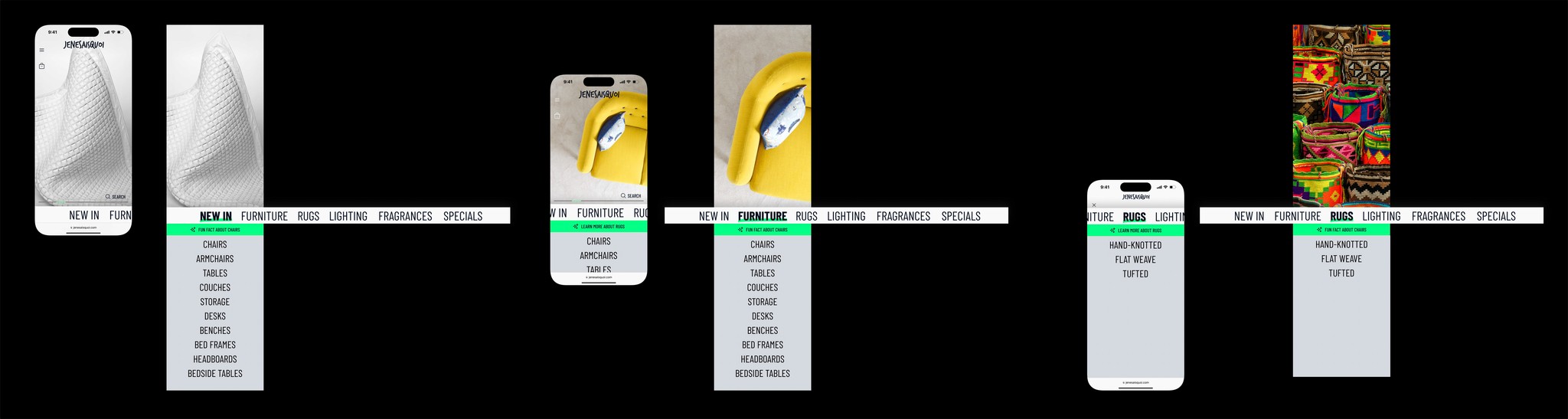
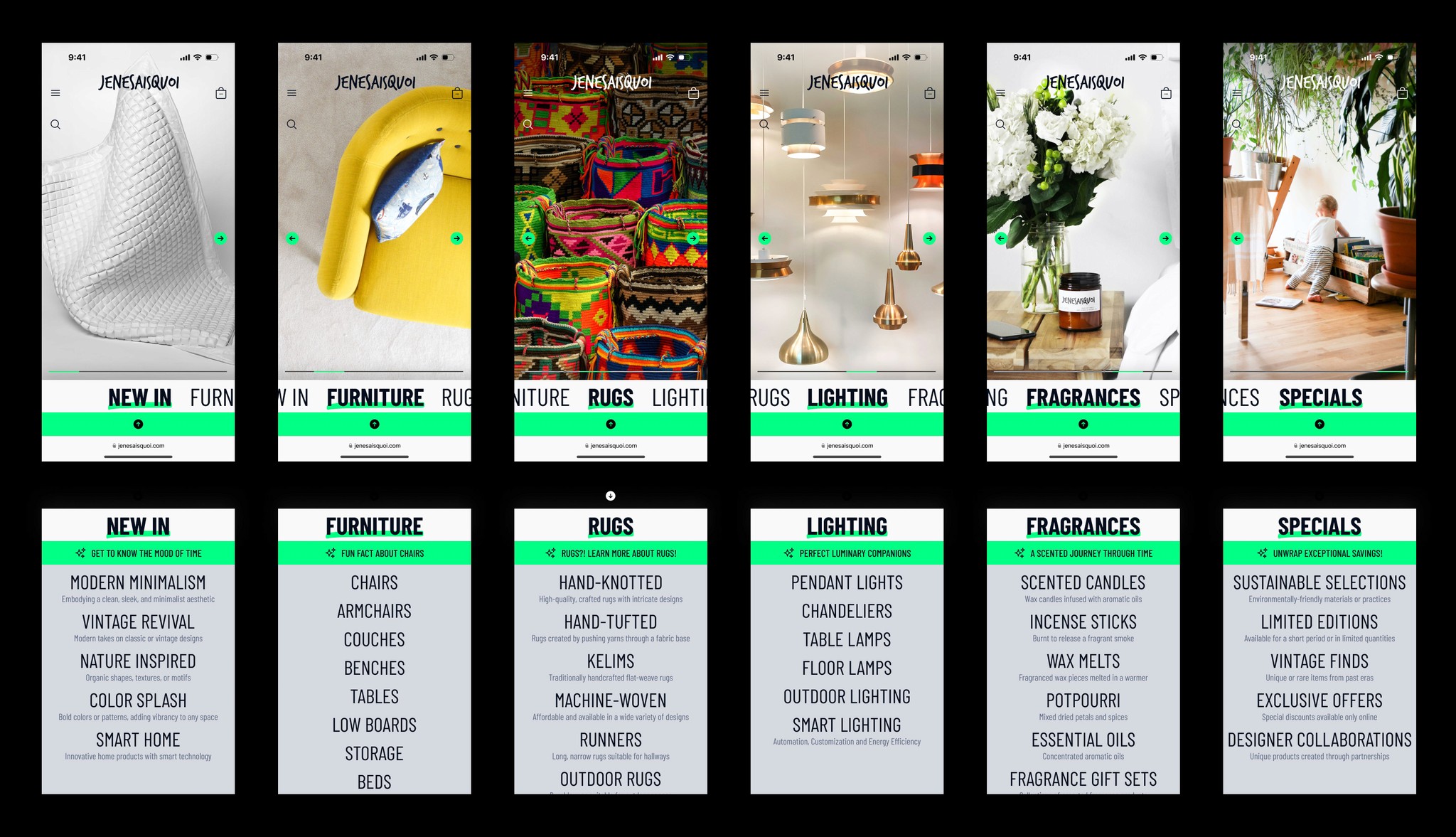
The initially planned horizontal scrolling behaviour in the main navigation had to be changed to a clicking behaviour due to difficulties with its implementation in the prototype.
Getting insights from users
I asked testers to perform specific tasks, like finding a particular rug and going through the purchase process.
Post-task interviews provided insights into their experiences — what worked, what didn’t, and why.
Each feedback session was helping me refine the prototype.
Prototype video